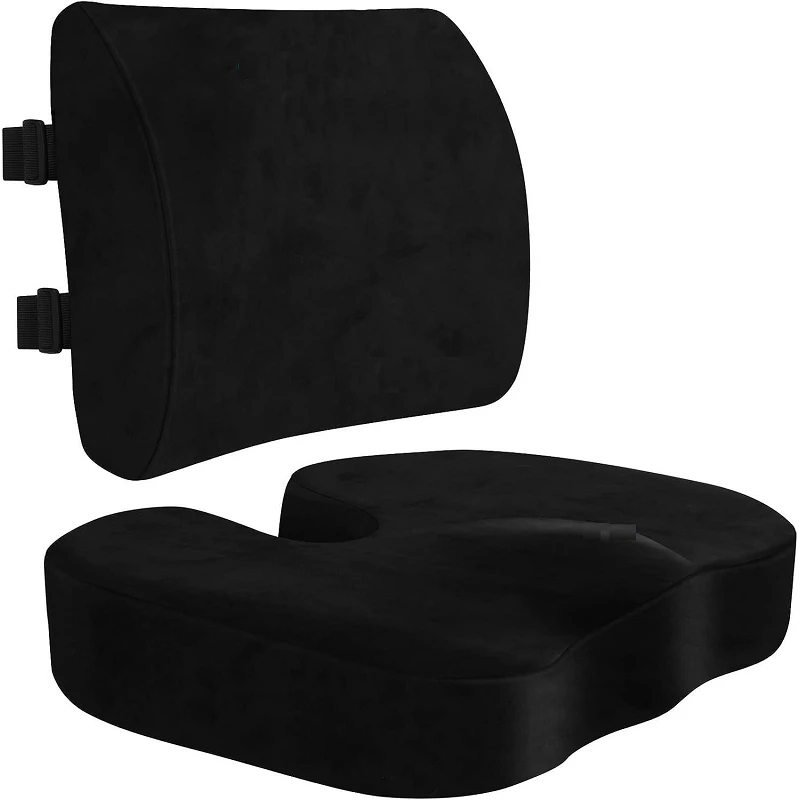
Q: What material is used for cushions?
A: Cotton and linen are widely used in cushion manufacture and both are hard wearing and washable. They are natural fibres and therefore are good choices for people with sensitive skins. They are also cool to the touch and therefore are a good choice for summer time use.
Q: What material is used for cushioning?
A: Several types of polymeric foams are used for cushioning, the most common being expanded polystyrene, polypropylene, polyethylene, and polyurethane. These can be molded engineered shapes or sheets which are cut and glued into cushion structures. Convoluted (or finger) foams are sometimes used.
Q: What is the most comfortable cushion material?
A: The most comfortable cushion filling you can choose is feather or down. Since you don't have to worry about the cushions keeping their shape like with a seat cushion, feathers and down are sumptuous and soft. They can be shaped and mould to your body when resting on them.
Q: What is the soft material used to fill cushions?
A: Feathers/Wool. For a luxurious feel, feathers or wool fillings are ideal. They are natural, breathable, and regulate temperature well. Feathers give a cushion a soft, pliable quality, whereas wool offers more firmness and support.
Q: What is cushioning material?
A: Cushioning materials are products used for protecting items from getting damaged by outer impacts or vibration. They are used for the purpose of preventing items from contacting each other and for easing the impacts in transport. Major types are bubble wraps, foamed sheets, packing fillers, etc.
Q: What fabric to use for seat cushions?
A: The best upholstery fabric for reupholstering dining room chairs is one that's easy to clean, durable, and matches your budget and decor. The best fabric for seat cushions includes leather, cotton fabric blends, polyester fabrics, but also faux suede, and velvet.
Q: What are most couch cushions filled with?
A: Foams. Most upholstery foams are made of polyurethane (a combination of polyol and diisocyanate) and the term “polyurethane foam” is a generically used term which covers everything from memory foam to high density foam.
Q: How to maintain couch cushions?
A: Couch cushions should be cleaned regularly using a vacuum fitted with an upholstery brush attachment. Vacuum couch cushions at least once a week, more in households with pets, children, or high dust levels. Additionally, every six months, couch cushions should be deep cleaned.
Q: How do I make my cushions firm again?
A: Furniture
Replace the old couch cushion filling with new foam inserts. Standard couch cushion sizes are available in high-quality foam pieces, or you can cut a custom design to fit an irregular cushion size. Choose a foam insert for the seat and back cushions based on the firmness you prefer.
Q: How do you keep cushions fresh?
A: Ideal Storage Conditions: Keep your cushions in a cool, dry area away from direct sunlight to prevent sun damage. Regular Moisture Checks: Routinely inspect the storage area for any signs of moisture and address any issues promptly.
Q: How long should cushions last?
A: The life expectancy of expensive, high quality sofa cushion foam (such as down fillers) is around ten years, while cheaper sofas are more likely to use polyester and/or polyurethane foam. These typically start losing their plumpness after around three years.
Q: How can I refresh my couch cushions?
A: What to Do with Sagging Couch Cushions — According to, if you need to refresh sagging couch cushions, all you need to plump them back up is poly-fil, quilt batting, and a spray adhesive. Open up each couch cushion to see how much poly-fil you need to put in the cushion.
Q: How can I make my couch cushions more supportive?
A: The easy solution is to upgrade to a higher quality foam core that will provide ample support, resistance, and longevity that a cheap foam core can not. That is why our number one recommendation is to replace the foam core inside of your couch cushions.
Q: How often should you flip your couch cushions?
A: Bi-weekly
However, even though the general recommendation for this is bi-weekly, the type of cushion fill can effect frequency. Foam cushions, for example, will need more flipping and rotating to dissuade lumpy, uneven compression. Down or feather-fill couches will be more about the fluff.
Q: How do I keep my couch cushions from coming out?
A: Attaching Velcro strips under the sliding cushions is one of the simplest ways to solve this annoying problem of couch cushions. You need to ensure that the tape you choose should be heavy-duty and sturdy enough to increase the durability and functionality of this method.
Q: How do I keep my cushions from flattening?
A: Fluffing your cushions helps your cushions stay in shape longer, which prevents them from sinking in. How often should I flip my cushions and fluff them? We recommend flipping and fluffing your cushions every three months.
Q: What can I do if my couch cushions are too firm?
A: Bounce up and down a few times to compress the cushions and break down the foam insert a little. Shuffle the cushions around and flip them periodically so they soften evenly. Lay the cushions on the floor. Put on a clean pair of socks and walk all over the surface of the cushions for a couple of minutes.
Q: How do you maintain couch cushions?
A: In a bowl or small bucket, combine warm water with ½ teaspoon of dye-free dish soap. If the combination isn't frothing, stir up the mixture until foam appears. Use an upholstery brush to apply a small amount of the solution to the fabric (being careful not to soak it) and scrub very gently.
Q: How do you take care of cushions?
A: To protect your perfectly plump cushions you need to keep them clean and dry. To help avoid the filling becoming clumped and to stop any bad odours occurring, it is best to always air-dry your cushions naturally and keep them away from direct light. In addition, we recommend that you air out your cushions regularly.
Q: What is the lifespan of cushions?
A: Generally, with regular care, including proper cleaning and avoiding excessive wear and tear, cushions can last for several years. High-quality cushions made with durable materials and construction methods tend to have a longer lifespan.